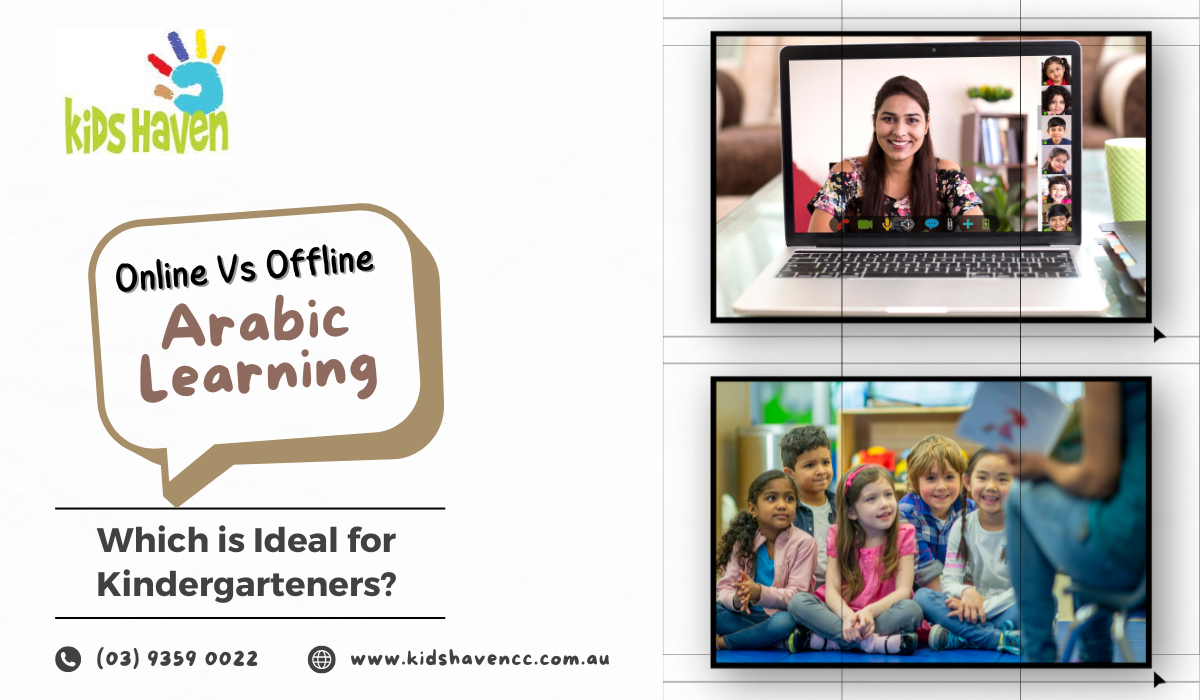
Arabic, a language rich in history and culture, is gaining popularity among parents seeking to provide their children with a global perspective. For kindergarteners, learning Arabic can be a fun and enriching experience. However, with the rise of online learning, parents are often faced with the dilemma of choosing between traditional offline classes and online options. So, which is the best choice for your child?
The answer, as with many things, depends on various factors, including your child’s learning style, your family’s preferences, and the specific goals you have for their education. Let’s explore the pros and cons of both online and offline Arabic classes for kindergarteners.
Online Arabic Classes for Kindergarteners
Online Arabic classes offer flexibility and convenience, making them a popular choice for busy families. Some of the advantages of online learning include:
- Flexibility and convenience: Online classes allow parents to schedule lessons around their child’s activities and their schedules.
- Access to a wider range of instructors and teaching methods: Online platforms connect students with qualified Arabic teachers from around the world, offering a variety of teaching styles and approaches.
- Affordability: Online classes are often more affordable than traditional in-person classes due to lower overhead costs.
- Benefits for shy or introverted children: Online learning can be less intimidating for shy children who may feel more comfortable participating in a virtual environment.
However, there are also some potential drawbacks to online Arabic classes:
- Lack of face-to-face interaction: Online classes may not provide the same level of social interaction as in-person classes.
- Potential technical difficulties: Students may encounter technical issues that can disrupt the learning process.
- May require more parental involvement: Parents may need to provide additional support and supervision for their child during online classes.
Offline Arabic Classes for Kindergarteners
Offline Arabic classes offer a more traditional learning experience with in-person interaction and a structured environment. Some of the benefits of offline classes include:
- In-person interaction and social experience: Offline classes allow children to interact with other students and their teachers face-to-face, fostering social skills and a sense of community.
- More structured learning environment: Offline classes often follow a structured curriculum and timetable, providing a consistent and predictable learning experience.
- Opportunities for hands-on activities and field trips: Offline classes can incorporate hands-on activities, games, and field trips to make learning more engaging and memorable.
- Better supervision and support: In-person teachers can provide direct guidance and support to students, ensuring that they are on track and understanding the material.
However, offline classes also have some limitations:
- Limited flexibility in terms of scheduling: Offline classes may have fixed schedules that may not align with a family’s availability.
- Higher costs: Offline classes typically have higher costs due to the overhead expenses of operating a physical location.
- Maybe less accessible for those living in rural areas: Access to quality offline Arabic classes may be limited in rural areas.
Factors to Consider When Choosing Between Online and Offline Arabic Classes
When deciding between online and offline Arabic classes, it is important to consider the following factors:
- Child’s Learning Style: Visual learners may benefit from online resources, while kinesthetic learners may prefer in-person activities.
- Family’s Preferences: Consider the family’s schedule, budget, and comfort level with technology.
- Specific Goals: Determine whether the primary goal is language acquisition, cultural understanding, or social skills development.
Ultimately, offline Arabic classes provide a more immersive and socially engaging environment for kindergarteners. The face-to-face interaction with teachers and peers, along with hands-on activities, creates a rich learning experience that fosters both language development and social skills. With Kids Haven’s structured curriculum and dedicated support, your child will receive the personalized attention they need to thrive in their Arabic language journey.
Choosing the right learning environment is key, and for many young learners, the benefits of offline classes far outweigh those of online alternatives. To give your child the best start in learning Arabic, book a session with Kids Haven today. Contact us at 039359 0022 or 0430 354 488, or email info@kidshavencc.com.au to enroll your child in our engaging and supportive offline classes.